 OREGON STATE UNIVERSITY
Open search box
OREGON STATE UNIVERSITY
Open search box
Contents
Garlic (Allium sativum L.) has been used for culinary and medicinal purposes in many cultures for centuries (1). Garlic is a particularly rich source of organosulfur compounds, which are thought to be responsible for its flavor and aroma, as well as its potential health benefits (2). Consumer interest in the health benefits of garlic is strong enough to place it among the best-selling herbal supplements in the United States (3). Scientists are interested in the potential for organosulfur compounds derived from garlic to prevent and treat chronic diseases, such as cancer and cardiovascular disease (4).
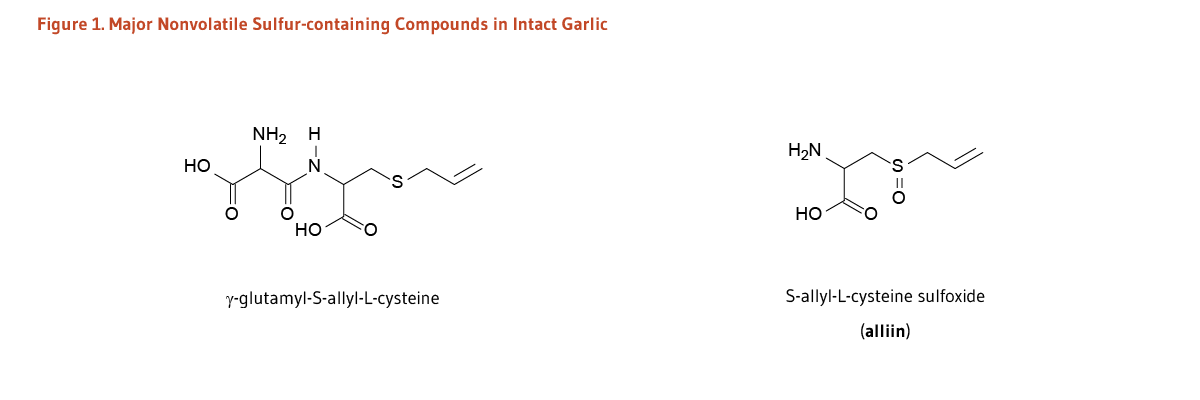
Two classes of organosulfur compounds are found in whole garlic cloves: L-cysteine sulfoxides and γ-glutamyl-L-cysteine peptides.
S-allyl-L-cysteine sulfoxide (alliin) accounts for approximately 80% of cysteine sulfoxides in garlic (Figure 1) (5). When raw garlic cloves are crushed, chopped, or chewed, an enzyme known as alliinase is released. Alliinase catalyzes the formation of sulfenic acids from L-cysteine sulfoxides (Figure 2). Sulfenic acids spontaneously react with each other to form unstable compounds called thiosulfinates. In the case of alliin, the resulting sulfenic acids react with each other to form a thiosulfinate known as allicin (half-life in crushed garlic at 23°C is 2.5 days). The formation of thiosulfinates is very rapid and has been found to be complete within 10 to 60 seconds of crushing garlic. Allicin breaks down in vitro to form a variety of fat-soluble organosulfur compounds (Figure 2), including diallyl trisulfide (DATS), diallyl disulfide (DADS), and diallyl sulfide (DAS), or in the presence of oil or organic solvents, ajoene and vinyldithiins (6). In vivo, allicin can react with glutathione and L-cysteine to produce S-allylmercaptoglutathione (SAMG) and S-allylmercaptocysteine (SAMC), respectively (Figure 2) (4).
Crushing garlic does not change its γ-glutamyl-L-cysteine peptide content. γ-Glutamyl-L-cysteine peptides include an array of water-soluble dipeptides, including γ-glutamyl-S-allyl-L-cysteine, γ-glutamylmethylcysteine, and γ-glutamylpropylcysteine (see Figure 1). Water-soluble organosulfur compounds, such as S-allylcysteine and SAMC (Figure 3), are formed from γ-glutamyl-S-allyl-L-cysteine during long-term incubation of crushed garlic in aqueous solutions, as in the manufacture of aged garlic extracts (see Sources).
Although little is known about their bioavailability and biological activities, non-sulfur garlic phytochemicals, including flavonoids, steroid saponins, organoselenium compounds, and allixin, likely work in synergy with organosulfur compounds (6).


In studies conducted in rodents, orally administrated alliin was found to be absorbed intact and to reach plasma and liver without being converted to allicin. There are no thiosulfinates (like allicin) in intact garlic cloves, and none can be generated in the stomach because alliinase would be irreversibly inhibited under acidic conditions (6).
The absorption and metabolism of allicin and allicin-derived compounds (see Figure 2) are only partially understood (7). In humans, no allicin has been detected in the serum or urine up to 24 hours after the ingestion of 25 g of raw garlic containing a significant amount of allicin (8). Before ingestion in garlic preparations and after ingestion in the stomach, allicin likely breaks down to release a number of volatile compounds, including DAS and DADS. These organosulfur compounds are metabolized to allyl mercaptan, allyl methyl sulfide, and allyl methyl disulfide, which have been detected in human breath after garlic consumption (9-11). Although a number of biological activities have been attributed to various allicin-derived compounds, it is not yet clear which of these compounds or metabolites actually reaches target tissues (5). Allyl methyl sulfide — but not allyl mercaptan — has been detected in the urine within four hours of garlic ingestion, suggesting that this compound is absorbed into the circulation and rapidly excreted (11). Other allicin-derived compounds, including diallyl sulfides, ajoenes, and vinyldithiins, have not been detected in human blood, urine, or stool, even after the consumption of up to 25 g of fresh garlic or 60 mg of pure allicin (5). These findings suggest that, if they are absorbed, allicin and allicin-derived compounds are rapidly metabolized.
γ-Glutamyl-S-allyl-L-cysteine is thought to be absorbed intact and hydrolyzed to S-allyl-L-cysteine (SAC) and trans-S-1-propenyl-L-cysteine (see Figure 3), since metabolites of these compounds have been measured in human urine after garlic consumption (12, 13). The consumption of aged garlic extract, a commercial garlic preparation that contains SAC, has been found to increase plasma SAC concentrations in humans (14-16). SAC has been detected in plasma, liver, and kidney of SAC-fed animals (17). Water-soluble organosulfur compounds like SAC and its metabolite, N-acetyl-S-allyl-L-cysteine, may be used as reliable markers of compliance in clinical trials involving garlic intake (6, 18).
Low cellular concentrations of glutathione, a major intracellular antioxidant, and/or overproduction of reactive oxygen species (ROS) can lead to oxidative stress-induced damage to biological macromolecules and contribute to the development and progression of pathological conditions. In endothelial cells (that line the inner wall of blood vessels), garlic-derived allicin lowered ROS production and increased the concentration of glutathione (19). Oral administration of allicin to mice lowered ROS production and prevented ROS-induced cardiac hypertrophy by inhibiting pro-inflammatory pathways like mitogen-activated protein kinase (MAPK) and phosphoinositide 3-kinase (PI3K)/protein kinase B (Akt)/glycogen synthase kinase 3β (GSK3β) signaling pathways (20). It is thought that, upon crossing cell membranes, allicin interacts with glutathione and forms SAMG (see Figure 2), which could prolong the antioxidant activity of allicin (19).
Allicin was also found to upregulate the expression of glutamate-cysteine ligase (GCL), the rate-limiting enzyme in glutathione synthesis, and other Phase II detoxifying/antioxidant enzymes, likely via the activation of the nuclear factor E2-related factor 2 (Nrf2)-dependent pathway (19). Briefly, Nrf2 is a transcription factor that is bound to the protein Kelch-like ECH-associated protein 1 (Keap1) in the cytosol. Keap1 responds to oxidative stress signals by freeing Nrf2. Upon release, Nrf2 translocates to the nucleus and binds to the antioxidant response element (ARE) located in the promoter of genes coding for antioxidant/detoxifying enzymes and scavengers. Nrf2/ARE-dependent genes code for numerous mediators of the antioxidant response, including GCL, glutathione S-transferases (GSTs), thioredoxin, NAD(P)H quinone oxidoreductase 1 (NQO-1), and heme oxygenase 1 (HO-1) (21). Like allicin, oil-soluble organosulfides, DADS and DATS (see Figure 2), have been shown to stimulate Nrf2-dependent antioxidant pathway (4). For example, antioxidant and cytoprotective effects of DADS against acute ethanol-induced liver damage in mice were associated with the ability to trigger Nrf2-dependent HO-1 activation (22). DATS protected cardiac cells in vitro and in experimental diabetic rats from high glucose-induced oxidative stress and apoptosis by inducing PI3K/Akt-dependent Nrf2 antioxidant signaling (23).
Aged garlic extract have also been shown to increase expression of antioxidant enzymes via the Nrf2/ARE pathway (24). SAC, a major organosulfur compound in aged garlic extract, prevented renal damage caused by ROS in cisplatin-treated rats, by limiting cisplatin-induced reduction of glutathione level, Nrf2 expression, and activity of several antioxidant enzymes (catalase, glutathione reductase, glutathione peroxidase) (25). SAC also protected neurons from oxidative damage and apoptosis in wild-type mice but not in mice without a functional Nrf2 signaling pathway (26).
The generation of nitric oxide (NO) catalyzed by endothelial nitric oxide synthase (eNOS) plays a critical role in protecting the vascular endothelium from oxidative and inflammatory insults (27). ROS-induced NO inactivation can impair vascular endothelial function, contributing to various pathologies like atherosclerosis, hypertension, cardiovascular disease, and central nervous system disorders (27, 28). Interestingly, ingestion of 2 g of fresh garlic was found to increase NO plasma concentrations within two to four hours in healthy volunteers (29). DADS and DATS protected eNOS activity and NO bioavailability in cultured endothelial cells challenged with oxidized low-density lipoprotein (LDL) (30). In a model of traumatic brain injury in rats, allicin attenuated brain edema, neurological deficits, and apoptotic neuronal death, and exhibited antioxidant and anti-inflammatory effects, partly by increasing Akt-mediated eNOS activation (31). Aged garlic extract and SAC were also found to stimulate NO production in different experimental settings (32). In a model of erectile dysfunction in diabetic rats, SAC restored electrically-induced penile erection by stimulating eNOS activity and inhibiting the expression of NADPH oxidase (Nox) responsible for ROS overproduction (33).
Garlic-derived organosulfur compounds have been found to inhibit mediators of the inflammatory response, including cytokines, chemokines, adhesion molecules, and enzymes like cyclooxygenase (COX), lipoxygenase (LOX), and inducible nitric oxide synthase (iNOS) (34-36). Nuclear factor-kappa B (NF-κB) is a transcription factor that binds DNA and induces the transcription of the COX-2 gene, other pro-inflammatory genes, as well as genes involved in cell proliferation, adhesion, survival, and differentiation. The anti-inflammatory effects of organosulfur compounds result from their ability to counteract the activation of pro-inflammatory pathways — like NF-κB-, MAPK-, and PI3K/Akt-dependent signaling pathways — by pro-inflammatory stimuli (4). DATS inhibited bacterial lipopolysaccharide (LPS)-induced macrophage activation by limiting LPS binding to toll-like receptor 4 (TLR4) and blocking the upregulation of TLR4 and TLR4-associated molecule MyoD88 expression (37). DATS also inhibited LPS-induced NF-κB-dependent expression of COX-2, iNOS, tumor necrosis factor-α (TNF-α), and interleukin-1β (IL-1β) (37). In a mouse model of inflammation, the decrease of LPS-induced paw edema by DATS was associated with reduced serum concentrations of the pro-inflammatory cytokines, TNF-α, IL-6, and monocyte chemotactic protein-1 (MCP-1) (36).
Garlic and garlic-derived organosulfur compounds have been found to decrease the synthesis of cholesterol by hepatocytes (38). Several garlic-derived organosulfur compounds, including S-allylcysteine and ajoene, have been found to inhibit 3-hydroxy-3-methyl-glutaryl-coenzyme A reductase (HMG-CoA reductase), a critical enzyme in the cholesterol biosynthesis pathway (39, 40). Garlic-derived compounds may also inhibit other enzymes in this pathway, including sterol 4α-methyl oxidase (41).
An increase in the ability of platelets to aggregate has been linked to the narrowing of blood vessels and the occurrence of acute thrombotic events. A variety of garlic-derived organosulfur compounds have been found to inhibit platelet aggregation in the test tube (42-44). Aged garlic extract was found to inhibit chemically stimulated platelet aggregation by downregulating the fibrinogen binding activity of glycoprotein IIb/IIIa fibrinogen receptor found on platelets (45, 46) and/or by preventing intraplatelet calcium mobilization (42).
The proliferation and migration of normally quiescent VSMCs are central features of vascular diseases, including atherosclerosis and coronary restenosis (when treated arteries become blocked again) (47). Although the significance of these findings for human cardiovascular disease is not yet clear, limited cell culture research suggested that organosulfur compounds from garlic could inhibit the proliferation and migration of VSMCs (39, 48, 49).
An elevation of oxidized low-density lipoprotein (LDL) concentration in plasma has been involved in the pathogenesis of atherosclerosis. Oxidized LDL may stimulate the recruitment of inflammatory white blood cells from the blood to the arterial wall by inducing the expression of vascular cell adhesion molecules. DADS and DATS inhibited the expression of adhesion molecules, E-selectin and vascular cell adhesion molecule-1 (VCAM-1), on endothelial cell surface by reversing oxidized LDL-induced inhibition of PI3K/Akt and cAMP responsive element binding protein (CREB) signaling pathways (50).
The preservation of normal arterial function plays an important role in cardiovascular disease prevention. Hydrogen sulfide (H2S), a gaseous signaling molecule produced by some cells within the body, acts as a vasodilator (relaxes blood vessels) and thus may have cardioprotective properties (51, 52). H2S production may be involved in vascular smooth muscle cell relaxation through regulating the opening/closing of potassium channels and/or enhancing NO-dependent signaling pathway (reviewed in 53). A study found that garlic-derived compounds are converted to hydrogen sulfide by red blood cells in vitro (54). However, human consumption of a high dose of raw garlic does not increase breath hydrogen sulfide levels, suggesting that significant metabolism of garlic compounds to hydrogen sulfide does not occur in vivo (11).
Note that the potential benefits of garlic consumption/supplementation on cardiovascular health may also be attributed to antioxidant and anti-inflammatory activities described above.
Inhibition of metabolic activation of carcinogens: Some chemical carcinogens do not become active carcinogens until they have been metabolized by Phase I biotransformation enzymes, such as those belonging to the cytochrome P450 (CYP) family. Inhibition of specific CYP enzymes involved in carcinogen activation inhibits the development of cancer in some animal models (55). In particular, DAS and its metabolites have been found to inhibit CYP2E1 activity in vitro (56, 57) and when administered orally at high doses to animals (58, 59). Oral administration of garlic oil and DAS to humans has also resulted in evidence of decreased CYP2E1 activity (60-62).
Induction of Phase II detoxifying enzymes: Reactions catalyzed by phase II detoxifying enzymes generally promote the elimination of drugs, toxins, and carcinogens from the body. Consequently, increasing the activity of phase II enzymes, such as glutathione S-transferases (GSTs) and NQO-1, may help prevent cancer by enhancing the elimination of potential carcinogens (see the Nrf2-dependent antioxidant pathway) (63). In animal studies, oral administration of garlic preparations and organosulfur compounds was found to increase the expression and activity of phase II enzymes in a variety of tissues (64-66). For example, DADS protected rodent liver against carbon tetrachloride (CCl4; an environmental pollutant)-induced lipid peroxidation and cell necrosis by blocking CYP2E1-mediated CCL4 metabolic activation and by upregulating Nrf2 downstream genes for NQO-1, HO-1, GCL, GST, and superoxide dismutase (SOD1) (67, 68).
In normal cells, the cell cycle is tightly regulated to ensure faithful DNA replication and chromosomal segregation prior to cell division. When defects occur during DNA replication or chromosomal segregation and in case of DNA damage, the cell cycle can be transiently arrested at check points to allow for repair. Apoptosis is triggered when repair fails. Defective check points and evasion of apoptosis allow the unregulated division of cancer cells (69). Organosulfur compounds, including allicin, DAS, DADS, DATS, ajoene, and SAMC, have been found to induce cell cycle arrest when added to cancer cells in cell culture experiments (reviewed in 4, 70). DATS reduced the incidence of poorly differentiated prostate tumors and limited the number of metastatic lesions in the lungs of mice genetically modified to develop prostate adenocarcinomas (71). DATS was shown to inhibit cancer cell proliferation, as well as neuroendocrine differentiation — a hallmark of prostate cancer malignancy — but had no effect on apoptosis and markers of invasion (71). In a rat model of chemically induced colon cancer, inhibition of cell proliferation by aged garlic extract was associated with a reduction in the incidence of precancerous lesions and dysplastic adenomas, but not of adenocarcinomas (72).
Apoptosis is a physiological process of programmed death of cells that are genetically damaged or no longer necessary. Precancerous and cancerous cells are resistant to signals that induce apoptosis (73). Garlic-derived organosulfur compounds, including allicin, ajoene, DAS, DADS, DATS, and SAMC, have been found to induce apoptosis when added to various cancer cell lines grown in culture (reviewed in 4, 70). Oral administration of aqueous garlic extract and S-allylcysteine has been reported to enhance apoptosis in an animal model of oral cancer (74, 75). Garlic oil reduced the incidence of N-nitrosodiethylamine-induced liver nodules by preventing oxidative damage to lipids and DNA and by promoting apoptosis (76). Garlic oil upregulated the activity of various antioxidant enzymes and expression of pro-apoptotic effectors like Bax and Caspase-3 and downregulated the expression of the anti-apoptotic genes β-arrestin-2, Bcl-2, and Bcl-X (76).
To fuel their rapid growth, invasive tumors must develop new blood vessels by a process known as angiogenesis. Anti-angiogenic properties of several organosulfur compounds, including alliin, DATS, and ajoene, have been observed in in vitro or ex vivo experiments (70). In human breast cancer cells, DADS inhibited TNF-α-induced release of MCP-1, a chemokine that promotes tissue remodeling, angiogenesis, and metastasis (77). Aged garlic extract was also found to suppress in vitro angiogenesis by inhibiting endothelial cell proliferation, loss of adhesion, motility, and tube formation (78).
Garlic extracts have been found to have antibacterial and antifungal properties (79, 80). Thiosulfinates, particularly allicin, are thought to play an important role in the antimicrobial activity of garlic (80-82). Allicin-derived compounds, including DATS and ajoene, also have some antimicrobial activity in vitro (5). To date, randomized controlled trials using oral garlic preparations have not provided strong evidence for such activity in humans (83-85). A small randomized controlled trial found that application of 1% ajoene cream to the skin twice daily was as effective in treating tinea pedis (fungal skin infection known as athlete’s foot) as 1% terbinafine (Lamisil) cream (86). In another preliminary randomized controlled trial, circulating immune innate cells (γδT-lymphocytes and natural killer (NK) cells), isolated from healthy adults supplemented with aged garlic extract, proliferated better in ex vivo culture than those from volunteers who consumed a placebo, suggesting a greater pathogen-fighting ability. The number of self-reported illnesses was similar between groups after 90 days of aged garlic extract or placebo supplementation, but aged garlic extract significantly reduced the severity of self-reported cold or flu symptoms (87).
Interest in garlic and its potential to prevent cardiovascular disease began with observations that people living near the Mediterranean basin had lower mortality from cardiovascular disease (88). Garlic is a common ingredient in Mediterranean cuisine, but a number of characteristics of the "Mediterranean diet" have been proposed to explain its cardioprotective effects (89). Although few observational studies have examined associations between garlic consumption and cardiovascular disease risk, numerous intervention trials have explored the effects of garlic supplementation on cardiovascular disease risk factors.
Platelet aggregation is one of the first steps in the formation of blood clots that can occlude coronary or cerebral arteries, leading to myocardial infarction or ischemic stroke, respectively. Evidence that garlic inhibits platelet aggregation is based mainly on in vitro experiments and a small number of ex vivo assays. Of 10 randomized controlled trials that tested the antithrombotic effect of garlic preparation, four reported a modest but significant decrease in ex vivo platelet aggregation with garlic supplementation compared to placebo (reviewed in 90). Because garlic oil extract in particular may have antithrombotic activity, a small randomized controlled trial in 12 healthy adults was conducted to test the acute effect of one large dose of garlic oil (extracted from 9.9 g of fresh garlic) on ex vivo platelet aggregation (91). The garlic oil extract had a mild effect on adrenaline-induced platelet aggregation (12% reduction) but had no effect on adenosine diphosphate (ADP)- or collagen-induced aggregation measured four hours post-consumption. Another study in 14 healthy volunteers showed that aged garlic extract dose-dependently inhibited ADP-stimulated platelet aggregation by downregulating the fibrinogen binding activity of glycoprotein IIb/IIIa fibrinogen receptor found on platelets (46).
A recent systematic review of randomized controlled trials examining the effect of supplementation with various garlic preparations on serum lipid profiles in individuals with elevated and normal serum cholesterol levels reported mixed results (92). The most recent and comprehensive meta-analysis compared the results from 39 randomized controlled trials published between 1955 and 2011 that tested the effect of garlic preparations on serum lipid concentrations (93). These 39 trials studied 2,298 adult participants (mean age, 49.5 years), administered garlic-only preparations, used a true placebo, and lasted for at least two weeks. The majority of included trials recruited subjects with elevated total cholesterol at baseline (>200 mg/dL [>5.2 mmol/L], 29 trials) and lasted more than eight weeks (30 trials). The authors found that garlic preparations significantly lowered total cholesterol and low-density lipoprotein (LDL)-cholesterol compared to placebo. High-density lipoprotein (HDL)-cholesterol concentrations were mildly increased and triglyceride concentrations were not affected by garlic supplementation. All administered garlic preparations (garlic powder, aged garlic extract, garlic oil, and fresh garlic) were well tolerated and associated with only minor side effects (garlic odor and mild gastrointestinal discomfort) (93).
Although garlic supplementation for a minimum of two months may lower total- and LDL-cholesterol concentrations in individuals with elevated total cholesterol, the benefits may not last beyond the short term (90, 92). Whether garlic possesses long-lasting lipid-lowering effects remain questionable and future investigations may focus on ways to maximize potential benefits of garlic preparations on serum lipids.
Very few studies have attempted to assess the effect of garlic supplementation on the progression of atherosclerosis in humans. One early study in Germany used ultrasound imaging to assess the effect of 900 mg/day of dehydrated garlic on the progression of atherosclerotic plaque in the carotid and femoral arteries (94). After four years, the increase in plaque volume was significantly greater in women taking the placebo (+53.1%) than in women taking the garlic supplement (-4.6%), while no significant difference in plaque volume was found between garlic (+1.1%) and placebo (+5.5%) in men (94, 95). In a smaller pilot study, investigators measured coronary artery calcium using electron-beam computed tomography to assess the effect of supplementation with aged garlic extract on the progression of atherosclerosis in 19 adults already taking HMG-CoA reductase inhibitors (lipid-lowering drugs also known as statins) (18). After one year, increases in coronary artery calcium score were significantly lower in those taking aged garlic extract than in those taking a placebo. Nevertheless, although coronary calcium scores may have a predictive value regarding future cardiac events in asymptomatic subjects, it may not be a reliable marker of plaque burden in symptomatic patients (96, 97). In a recent double-blind, controlled study, the extent of coronary atherosclerosis was assessed with cardiac computed tomography angiography in 72 individuals (55 at study completion) at high risk of coronary heart disease randomized to receive either 2,400 mg of aged garlic extract or placebo for 52 weeks (98). The result suggested a significant decrease in the extent of coronary plaques with low-attenuation area (a type of vulnerable plaques prone to rupture) (99, 100) with aged garlic extract compared to placebo, but no differences in total plaque volume and proportions of non-calcified plaques and dense calcium were found between treatment and placebo groups (98).
Most systematic reviews and/or meta-analyses of randomized controlled trials to date have provided mixed results regarding the potential blood pressure-lowering effect of garlic, possibly because most of these trials enrolled both normotensive and hypertensive subjects (90, 101-105).
A systematic review and meta-analysis by Xiong et al. (106) included seven randomized, placebo-controlled trials that exclusively enrolled individuals with high blood pressure, i.e., with systolic blood pressure (SBP) ≥140 mm Hg and/or diastolic blood pressure (DBP) ≥90 mm Hg. Five out of seven trials identified in this systematic review reported statistically significant reductions in SBP and DBP with several garlic preparations (dried garlic homogenate, garlic powder, and aged garlic extract) (106). Another recent meta-analysis included nine randomized controlled trials in 482 hypertensive individuals who were given garlic powder (six studies), garlic homogenate (one study), aged garlic extract (two studies), or placebo for 8 to 26 weeks (107). Garlic preparations were found to significantly reduce SBP by a mean of 9.1 mm Hg and DBP by a mean of 3.8 mm Hg compared to placebo. The most recent meta-analysis found that garlic preparations reduced SBP by a mean 8.7 mm Hg (10 trials, 440 subjects) and DBP by 6.1 mm Hg (8 trials, 257 subjects) (102). Such reductions in blood pressure seem comparable to those reported with currently used classes of blood pressure-lowering medications (average reduction, -9.1 mm Hg for SBP and -5.5 mm Hg for DBP) (108). The effect of blood pressure reduction from such medications at standard dose has been estimated to lower the risk of coronary heart disease events by about one-quarter and the risk of stroke by about one-third (108). Nonetheless, evidence showing that garlic supplements may reduce the risk of cardiovascular morbidity and mortality is still lacking (109).
In a recent 12-week, randomized, placebo-controlled trial in untreated hypertensive subjects, daily intake of aged garlic extract (1.2 g of which contained 1.2 mg of S-allyl-L-cysteine [SAC]) was shown to significantly lower SBP by 11 mm Hg and DBP by 6 mm Hg on average in 50%-60% of participants, but reductions in blood pressure were not reported in 40%-50% of participants compared to placebo (110). Whether interindividual differences in nutritional status and genetic polymorphisms can explain differences in blood pressure response to garlic treatment need to be explored in future studies (53, 110).
Overall, short-term garlic supplementation appears to effectively reduce blood pressure with minimal side effects in hypertensive patients.
The results of randomized controlled trials have suggested that garlic supplementation modestly improves serum lipid profiles in individuals with elevated serum cholesterol and reduces blood pressure in hypertensive subjects. It is not yet clear whether garlic supplementation can reduce atherosclerosis or prevent cardiovascular events, such as myocardial infarction or stroke.
A recent meta-analysis of 17 studies (mostly case-control studies) reported an inverse association between high versus low garlic consumption and the risk of gastric cancer (111). Nevertheless, this conclusion is hindered by a number of limitations, especially related to the retrospective design of most studies included in the analysis, as well as great variations in the amount and duration of garlic intakes. In a 2009 review of the literature, Kim et al. (112) identified 20 human studies that examined garlic intake in relation to gastric cancer risk: three intervention studies, one case-cohort study, 13 case-control studies, and three cross-sectional/ecologic studies. Using the Food and Drug Administration (FDA)’s evidence-based criteria for the scientific evaluation of health claims (113), the authors excluded 16 studies for methodological flaws; only four studies (two case-control (114, 115), one case-cohort (116), and one intervention (85)) received moderate-to-high quality ratings (112). Among these four studies, garlic intake during adolescence or 20 years prior to the interview was not found to be associated with the risk of gastric cancer in one of the case-control studies in Sweden (338 gastric cancer patients and 669 control subjects) (114). Another case-control study in Korea failed to show an association between past garlic consumption and gastric cancer in 136 people diagnosed with gastric cancer and 136 cancer-free subjects (115). In addition, a prospective case-cohort study in the Netherlands found no association between the use of garlic supplements (unknown composition) and gastric cancer risk (116). Finally, a randomized, double-blind, placebo-controlled intervention study in 3,365 subjects from the Shandong province of China found that supplementation with aged garlic extract and steam-distilled garlic oil for 7.3 years did not reduce the prevalence of precancerous gastric lesions or the incidence of gastric cancer (85). An updated analysis of the data collected 7.3 years after garlic supplementation ended provided further confirmation for a lack of significant reduction in gastric cancer incidence or mortality with supplemental garlic (117).
Helicobacter pylori (H. pylori) infection and gastric cancer: Infection with some strains of H. pylori bacteria markedly increases the risk of gastric cancer. Although garlic preparations and organosulfur compounds could inhibit the growth of H. pylori in the laboratory (118, 119), there is little evidence to suggest that high garlic intakes or garlic supplementation may help prevent or eradicate H. pylori infection in humans (120). Higher intakes of garlic were not associated with a significantly lower prevalence of H. pylori infection in China or Turkey (121, 122). Moreover, clinical trials using garlic cloves (123), aged garlic extract (84), steam-distilled garlic oil (84, 124), garlic oil macerate (125), or garlic powder (126) have not found garlic supplementation to be effective in eradicating H. pylori infection in humans.
A 2014 meta-analysis of prospective cohort studies in 335,923 subjects (including 4,610 colorectal cancer [CRC] cases) found no association of consuming raw or cooked garlic (three studies, four cohorts) or supplemental garlic (four studies, five cohorts) with CRC (127). Another recent systematic review and meta-analysis that combined data from seven cohort and seven case-control studies also failed to find a statistically significant reduction in CRC risk with garlic intake (128). Yet, these results are in contrast with previous pooled analyses of data from case-control studies (129) or from both case-control and prospective studies (130) that reported an approximate 30% lower CRC risk in individuals with the highest garlic intakes compared to those with the lowest intakes. Inclusion of case-control studies, which are more susceptible to bias, may explain these discrepancies among meta-analyses (128). For information regarding different types of epidemiological studies, see the Spring/Summer 2016 LPI Research Newsletter.
A small preliminary intervention trial in 37 patients with colorectal adenomas examined whether supplementation with aged garlic extract for 12 months affected adenoma size and recurrence. Both the number and size of adenomas were significantly reduced in patients given a high dose of aged garlic extract compared to those given a much lower dose (0.16 mL/day) (131, 132). Larger randomized controlled trials are needed to determine whether garlic or garlic extracts can substantially reduce adenoma progression to advanced cancer and recurrence.
In a small, placebo-controlled intervention study in 50 patients with cancer (42 with liver cancer, seven with pancreatic cancer, and one with colon cancer), supplementation with 500 mg/day of aged garlic extract for six months failed to prevent quality of life deterioration caused by disease progression and chemotherapy-associated adverse effects (133). Yet, the active treatment limited the decline in natural killer cell count and activity that accompanies digestive cancer progression and reduces patient survival (133).
At present, evidence from trials is limited and results from observational studies do not suggest a role of high intakes of garlic in the prevention of cancer in humans (112).
Allium vegetables, including garlic and onions, are the richest sources of organosulfur compounds in the human diet (134). To date, the majority of scientific research relating to the health effects of organosulfur compounds has focused on those derived from garlic. Fresh garlic cloves contain about 2 to 6 mg/g of γ-glutamyl-S-allyl-L-cysteine (0.2%-0.6% fresh weight) and 6 to 14 mg/g of alliin (0.6%-1.4% fresh weight). Garlic cloves yield about 2.5 to 4.5 mg of allicin per gram of fresh weight when crushed. One fresh garlic clove weighs 2 to 4 g (5).
The enzyme alliinase can be inactivated by heat. In one study, microwave cooking of unpeeled, uncrushed garlic totally destroyed alliinase enzyme activity (135). An in vitro study found that prolonged oven heating or boiling (i.e., six minutes or longer) suppressed the inhibitory effect of uncrushed and crushed garlic on platelet aggregation, but crushed garlic retained more anti-aggregatory activity compared to uncrushed garlic (136). Administering raw garlic to rats significantly decreased the amount of DNA damage caused by a chemical carcinogen, but heating uncrushed garlic cloves for 60 seconds in a microwave oven or 45 minutes in a convection oven prior to administration blocked the protective effect of garlic (137). The protective effect of garlic against DNA damage can be partially conserved by crushing garlic and allowing it to stand for 10 minutes prior to microwave heating for 60 seconds or by cutting the tops off garlic cloves and allowing them to stand for 10 minutes before heating in a convection oven. Because organosulfur compounds derived from alliinase-catalyzed reactions may play a role in some of the biological effects of garlic, some scientists recommend that crushed or chopped garlic be allowed to "stand" for at least 10 minutes prior to cooking (135).
Several different types of garlic preparations are available commercially, and each type provides a different profile of organosulfur compounds depending on how it was processed (see Table 1). Not all garlic preparations are standardized, and even standardized brands may vary with respect to the amount and the bioavailability of the organosulfur compounds they provide (5).
Powdered or dehydrated garlic is made from garlic cloves that are usually sliced and dried at a low temperature to prevent alliinase inactivation (138). The dried garlic is pulverized and often made into tablets. To meet United States Pharmacopeial Convention (USP) standards, powdered garlic supplements must contain no less than 0.1% γ-glutamyl-S-allyl-L-cysteine and no less than 0.3% alliin (dry weight) (139). Although powdered garlic supplements do not actually contain allicin, the manufacturer may provide a value for the "allicin potential" or "allicin yield" of a supplement on the label. These values represent the maximum achievable allicin yield of a supplement (140). It is determined by dissolving powdered garlic in water at room temperature and measuring the allicin content after 30 minutes (139). Because alliinase is inactivated by the acidic pH of the stomach, most powdered garlic tablets are enteric-coated to keep them from dissolving before they reach the neutral pH of the small intestine. It has been argued that it is more appropriate to measure "allicin release" using a USP method for assessing drug release from enteric-coated tablets under conditions that mimic those of the stomach and intestine (139). Allicin release by this method has been shown to parallel true bioavailability (140). Most tablet brands have been found to produce little allicin under these conditions, due mainly to low alliinase activity and prolonged disintegration times (140, 141). Many manufacturers provide information on the "allicin potential" of their powdered garlic supplements, but few provide information on the "allicin release." A number of controlled clinical trials have examined the effect of powdered or dehydrated garlic supplements on cardiovascular risk factors (see Cardiovascular disease). The most commonly used doses ranged from of 600 to 900 mg/day and provided 3.6 to 5.4 mg/day of potential allicin (90).
When garlic cloves are incubated in a solution of ethanol and water for up to 20 months, allicin is mainly converted to allyl sulfides, which are lost by evaporation or converted to other compounds (138). The resulting extract contains primarily water-soluble organosulfur compounds, such as SAC and SAMC (see Figure 3) (142). Garlic fluid extracts, including aged garlic extracts, are standardized to their S-allyl-L-cysteine content. In controlled clinical trials, daily intakes of aged garlic extract at doses between 1.2 g-2.4 g (containing 1.2 to 2.4 mg of S-allyl-L-cysteine) consistently resulted in reductions in SBP by 9 mm Hg-10 mm Hg and reductions in DBP by 4 mm Hg-8 mm Hg in a majority of patients with uncontrolled hypertension (110, 143). Additionally, aged garlic extract at doses of 2.4 to 7.2 g/day resulted in short-term reductions in ex vivo platelet aggregation (144) and reductions in serum cholesterol concentrations up to 12 weeks (16).
Steam distillation of crushed garlic cloves results in a product that contains mainly allyl sulfides, including DATS, DADS, and DAS (see Figure 2) (138). These fat-soluble steam distillation products are usually dissolved in vegetable oil.
Incubation of crushed garlic cloves in oil at room temperature results in the formation of vinyldithiins and ajoene from allicin, in addition to allyl sulfides, such as DADS and DATS (see Figure 2) (5). Ether extracts are similar in composition to garlic oil macerates but more concentrated (145).
| Product | Principal Organosulfur Compounds | Delivers Allicin-derived Compounds? |
|---|---|---|
| Fresh garlic cloves |
Cysteine sulfoxides (Alliin) |
Yes, when chopped, crushed, or chewed raw. Minimal, when garlic cloves are cooked before crushing or chopping. |
| Garlic powder (tablets) |
Cysteine sulfoxides (Alliin) γ-Glutamyl-L-cysteine peptides |
Varies greatly among commercial products. Enteric-coated tablets that pass the USP allicin release test are likely to provide the most. |
| Steam-distilled garlic oil (capsules) |
Diallyl disulfide (DADS) Diallyl trisulfide (DATS) Allyl methyl trisulfide |
Yes, but there is only 1% of oil-soluble sulfur compounds in 99% of vegetable oil. |
| Garlic oil macerate (capsules) |
Vinyldithiins (E/Z)-ajoene Diallyl trisulfide |
Yes |
|
Aged garlic extract™ (tablets or capsules) |
S-Allyl-L-cysteine (SAC) S-Allylmercaptocysteine (SAMC) trans-S-1-Propenyl-L-cysteine |
Minimal |
The most commonly reported adverse effects of oral ingestion of garlic and garlic supplements are breath and body odor (90, 146). Gastrointestinal symptoms have also been reported, including heartburn, abdominal pain, belching, nausea, vomiting, flatulence, constipation, and diarrhea (106). The most serious adverse effects associated with oral garlic supplementation are related to uncontrolled bleeding. Several cases of serious postoperative or spontaneous bleeding associated with garlic supplementation have been reported in the medical literature (147-150). Garlic may also trigger allergic responses in some individuals, including asthma in people with occupational exposure to garlic powder or dust (151). Exposure of the skin to garlic has been reported to cause contact dermatitis in some individuals (146, 152). More serious skin lesions, including blisters and burns, have also been reported with topical exposure to garlic for six or more hours.
The safety characteristics of the various garlic preparations likely depend on their specific chemical composition (see Table 1). Aged garlic extract — the only water-based garlic supplement — showed a safe profile in toxicity studies and exhibited no undesirable side effects when combined with anticoagulants (warfarin), antiplatelets (aspirin), cholesterol-lowering (statins) drugs, or anticancer drugs (doxorubicin, 5-fluorouracil, methotrexate) in clinical settings (reviewed in 6). Safety and toxicity data are lacking for lipophilic (hydrophobic) garlic preparations, but some of their constituents have been shown to interfere with drug-metabolizing enzymes and transporters (see Drug interactions).
No adverse effects on pregnancy outcomes have been reported when garlic is consumed in the diet. Although no adverse pregnancy outcomes were reported in a study of Iranian women who took dehydrated garlic tablets (800 mg/day) for two months during the third trimester of pregnancy (153), the safety of garlic supplements in pregnancy has not been established. There is some evidence that garlic consumption alters the odor and possibly the flavor of breast milk. In a controlled cross-over trial, oral consumption of 1.5 g of garlic extract by lactating women increased the perceived intensity of breast milk odor (154). Infants spent more time breast-feeding after their mothers consumed the garlic extract compared to a placebo, but the amount of milk consumed and number of feedings were not significantly different. Additionally, it is not known if topical use of garlic is safe during pregnancy or lactation.
Garlic may enhance the anticoagulant effects of warfarin (Coumadin). There have been two case reports in which prothrombin time (INR) increased in patients who started taking garlic tablets or garlic oil without changing their warfarin dose or other habits (155). However, a more recent study in closely monitored patients on warfarin therapy found that garlic fluid extracts (aged garlic extract) did not increase hemorrhagic risk (156). Since garlic supplements have been found to inhibit platelet aggregation (90), there is a potential for additive effects when garlic supplements are taken together with other medications or supplements that inhibit platelet aggregation, such as high-dose fish oil or vitamin E (157). More research is needed to determine whether garlic supplements are safe for people on anticoagulatory therapy.
Supplementation of healthy volunteers with garlic caplets twice daily (allicin yield, 7.2 mg/day) for three weeks resulted in a 50% decrease in the bioavailability of the protease inhibitor, saquinavir (Fortovase) (158). Although saquinavir undergoes significant metabolism by CYP3A4, supplementation with garlic extract for two weeks did not significantly alter a measure of CYP3A4 activity in healthy volunteers (159). Garlic extract supplementation (10 mg/day) for four days did not significantly alter single-dose pharmacokinetics of the protease inhibitor, ritonavir (Norvir), but further research is needed to determine steady-state interactions between well-characterized garlic supplements and ritonavir (160). In vitro hepatic models suggested that flavonoids and sulfur-containing compounds in garlic supplements might interfere with the activity of efflux drug transporters of the ATP-binding cassette (ABC) family, including P-glycoprotein, multidrug resistance protein (MRP), and breast cancer-resistance protein (BCRP), which function as ATP-dependent efflux pumps that actively regulate the excretion of a number of drugs limiting their systemic bioavailability. They may also affect the activity of phase I biotransformation enzymes like cytochrome P450 (CYP) 3A4 (CYP3A4) (161, 162). Modifications of efflux transporter and CYP3A4 activities may explain how supplementation with garlic phytochemicals might hinder the therapeutic efficacy of medications like antiretroviral drugs (162).
Originally written in 2005 by:
Jane Higdon, Ph.D.
Linus Pauling Institute
Oregon State University
Updated in July 2008 by:
Victoria J. Drake, Ph.D.
Linus Pauling Institute
Oregon State University
Updated in September 2016 by:
Barbara Delage, Ph.D.
Linus Pauling Institute
Oregon State University
Reviewed in December 2016 by:
Karin Ried, Ph.D., MSc.
Research Director
National Institute of Integrative Medicine
Copyright 2005-2024 Linus Pauling Institute
1. Guercio V, Galeone C, Turati F, La Vecchia C. Gastric cancer and allium vegetable intake: a critical review of the experimental and epidemiologic evidence. Nutr Cancer. 2014;66(5):757-773. (PubMed)
2. Block E. The chemistry of garlic and onions. Sci Am. 1985;252(3):114-119.
3. Blumenthal M. Herb Sales Down 7.4 Percent in Mainstream Market. HerbalGram: American Botanical Council; 2005:63.
4. Trio PZ, You S, He X, He J, Sakao K, Hou DX. Chemopreventive functions and molecular mechanisms of garlic organosulfur compounds. Food Funct. 2014;5(5):833-844. (PubMed)
5. Lawson LD. Garlic: a review of its medicinal effects and indicated active compounds. In: Lawson LD, Bauer R, eds. Phytomedicines of Europe: Chemistry and Biological Activity. Washington, D. C.: American Chemical Society; 1998:177-209.
6. Amagase H. Clarifying the real bioactive constituents of garlic. J Nutr. 2006;136(3 Suppl):716S-725S. (PubMed)
7. Lawson LD, Wang ZJ. Allicin and allicin-derived garlic compounds increase breath acetone through allyl methyl sulfide: use in measuring allicin bioavailability. J Agric Food Chem. 2005;53(6):1974-1983. (PubMed)
8. Lawson LD, Hughes BG. Characterization of the formation of allicin and other thiosulfinates from garlic. Planta Med. 1992;58(4):345-350. (PubMed)
9. Minami T, Boku T, Inada K, Morita M, Okasaki Y. Odor components of human breath after the ingestion of grated raw garlic. J Food Sci. 1989;54:763-765.
10. Rosen RT, Hiserodt RD, Fukuda EK, et al. Determination of allicin, S-allylcysteine and volatile metabolites of garlic in breath, plasma or simulated gastric fluids. J Nutr. 2001;131(3s):968S-971S. (PubMed)
11. Suarez F, Springfield J, Furne J, Levitt M. Differentiation of mouth versus gut as site of origin of odoriferous breath gases after garlic ingestion. Am J Physiol. 1999;276(2 Pt 1):G425-430. (PubMed)
12. de Rooij BM, Boogaard PJ, Rijksen DA, Commandeur JN, Vermeulen NP. Urinary excretion of N-acetyl-S-allyl-L-cysteine upon garlic consumption by human volunteers. Arch Toxicol. 1996;70(10):635-639. (PubMed)
13. Jandke J, Spiteller G. Unusual conjugates in biological profiles originating from consumption of onions and garlic. J Chromatogr. 1987;421(1):1-8. (PubMed)
14. Kodera Y, Suzuki A, Imada O, et al. Physical, chemical, and biological properties of s-allylcysteine, an amino acid derived from garlic. J Agric Food Chem. 2002;50(3):622-632. (PubMed)
15. Percival SS. Aged Garlic Extract Modifies Human Immunity. J Nutr. 2016;146(2):433S-436S. (PubMed)
16. Steiner M, Khan AH, Holbert D, Lin RI. A double-blind crossover study in moderately hypercholesterolemic men that compared the effect of aged garlic extract and placebo administration on blood lipids. Am J Clin Nutr. 1996;64(6):866-870. (PubMed)
17. Nagae S, Ushijima M, Hatono S, et al. Pharmacokinetics of the garlic compound S-allylcysteine. Planta Med. 1994;60(3):214-217. (PubMed)
18. Budoff MJ, Takasu J, Flores FR, et al. Inhibiting progression of coronary calcification using Aged Garlic Extract in patients receiving statin therapy: a preliminary study. Prev Med. 2004;39(5):985-991. (PubMed)
19. Horev-Azaria L, Eliav S, Izigov N, et al. Allicin up-regulates cellular glutathione level in vascular endothelial cells. Eur J Nutr. 2009;48(2):67-74. (PubMed)
20. Liu C, Cao F, Tang QZ, et al. Allicin protects against cardiac hypertrophy and fibrosis via attenuating reactive oxygen species-dependent signaling pathways. J Nutr Biochem. 2010;21(12):1238-1250. (PubMed)
21. Chen C, Kong AN. Dietary chemopreventive compounds and ARE/EpRE signaling. Free Radic Biol Med. 2004;36(12):1505-1516. (PubMed)
22. Zeng T, Zhang CL, Song FY, et al. The activation of HO-1/Nrf-2 contributes to the protective effects of diallyl disulfide (DADS) against ethanol-induced oxidative stress. Biochim Biophys Acta. 2013;1830(10):4848-4859. (PubMed)
23. Tsai CY, Wang CC, Lai TY, et al. Antioxidant effects of diallyl trisulfide on high glucose-induced apoptosis are mediated by the PI3K/Akt-dependent activation of Nrf2 in cardiomyocytes. Int J Cardiol. 2013;168(2):1286-1297. (PubMed)
24. Hiramatsu K, Tsuneyoshi T, Ogawa T, Morihara N. Aged garlic extract enhances heme oxygenase-1 and glutamate-cysteine ligase modifier subunit expression via the nuclear factor erythroid 2-related factor 2-antioxidant response element signaling pathway in human endothelial cells. Nutr Res. 2016;36(2):143-149. (PubMed)
25. Gomez-Sierra T, Molina-Jijon E, Tapia E, et al. S-allylcysteine prevents cisplatin-induced nephrotoxicity and oxidative stress. J Pharm Pharmacol. 2014;66(9):1271-1281. (PubMed)
26. Shi H, Jing X, Wei X, et al. S-allyl cysteine activates the Nrf2-dependent antioxidant response and protects neurons against ischemic injury in vitro and in vivo. J Neurochem. 2015;133(2):298-308. (PubMed)
27. Higashi Y, Noma K, Yoshizumi M, Kihara Y. Endothelial function and oxidative stress in cardiovascular diseases. Circ J. 2009;73(3):411-418. (PubMed)
28. Lundblad C, Grande PO, Bentzer P. Hemodynamic and histological effects of traumatic brain injury in eNOS-deficient mice. J Neurotrauma. 2009;26(11):1953-1962. (PubMed)
29. Bhattacharyya M, Girish GV, Karmohapatra SK, Samad SA, Sinha AK. Systemic production of IFN-α by garlic (Allium sativum) in humans. J Interferon Cytokine Res. 2007;27(5):377-382. (PubMed)
30. Lei YP, Liu CT, Sheen LY, Chen HW, Lii CK. Diallyl disulfide and diallyl trisulfide protect endothelial nitric oxide synthase against damage by oxidized low-density lipoprotein. Mol Nutr Food Res. 2010;54 Suppl 1:S42-52. (PubMed)
31. Chen W, Qi J, Feng F, et al. Neuroprotective effect of allicin against traumatic brain injury via Akt/endothelial nitric oxide synthase pathway-mediated anti-inflammatory and anti-oxidative activities. Neurochem Int. 2014;68:28-37. (PubMed)
32. Shouk R, Abdou A, Shetty K, Sarkar D, Eid AH. Mechanisms underlying the antihypertensive effects of garlic bioactives. Nutr Res. 2014;34(2):106-115. (PubMed)
33. Yang J, Wang T, Yang J, et al. S-allyl cysteine restores erectile function through inhibition of reactive oxygen species generation in diabetic rats. Andrology. 2013;1(3):487-494. (PubMed)
34. Ho SC, Su MS. Evaluating the anti-neuroinflammatory capacity of raw and steamed garlic as well as five organosulfur compounds. Molecules. 2014;19(11):17697-17714. (PubMed)
35. Liu KL, Chen HW, Wang RY, Lei YP, Sheen LY, Lii CK. DATS reduces LPS-induced iNOS expression, NO production, oxidative stress, and NF-κB activation in RAW 264.7 macrophages. J Agric Food Chem. 2006;54(9):3472-3478. (PubMed)
36. You S, Nakanishi E, Kuwata H, et al. Inhibitory effects and molecular mechanisms of garlic organosulfur compounds on the production of inflammatory mediators. Mol Nutr Food Res. 2013;57(11):2049-2060. (PubMed)
37. Lee HH, Han MH, Hwang HJ, et al. Diallyl trisulfide exerts anti-inflammatory effects in lipopolysaccharide-stimulated RAW 264.7 macrophages by suppressing the Toll-like receptor 4/nuclear factor-κB pathway. Int J Mol Med. 2015;35(2):487-495. (PubMed)
38. Gebhardt R, Beck H. Differential inhibitory effects of garlic-derived organosulfur compounds on cholesterol biosynthesis in primary rat hepatocyte cultures. Lipids. 1996;31(12):1269-1276. (PubMed)
39. Ferri N, Yokoyama K, Sadilek M, et al. Ajoene, a garlic compound, inhibits protein prenylation and arterial smooth muscle cell proliferation. Br J Pharmacol. 2003;138(5):811-818. (PubMed)
40. Liu L, Yeh YY. S-alk(en)yl cysteines of garlic inhibit cholesterol synthesis by deactivating HMG-CoA reductase in cultured rat hepatocytes. J Nutr. 2002;132(6):1129-1134. (PubMed)
41. Singh DK, Porter TD. Inhibition of sterol 4α-methyl oxidase is the principal mechanism by which garlic decreases cholesterol synthesis. J Nutr. 2006;136(3 Suppl):759S-764S. (PubMed)
42. Allison GL, Lowe GM, Rahman K. Aged garlic extract may inhibit aggregation in human platelets by suppressing calcium mobilization. J Nutr. 2006;136(3 Suppl):789S-792S. (PubMed)
43. Chan KC, Hsu CC, Yin MC. Protective effect of three diallyl sulphides against glucose-induced erythrocyte and platelet oxidation, and ADP-induced platelet aggregation. Thromb Res. 2002;108(5-6):317-322. (PubMed)
44. Lawson LD, Ransom DK, Hughes BG. Inhibition of whole blood platelet-aggregation by compounds in garlic clove extracts and commercial garlic products. Thromb Res. 1992;65(2):141-156. (PubMed)
45. Allison GL, Lowe GM, Rahman K. Aged garlic extract inhibits platelet activation by increasing intracellular cAMP and reducing the interaction of GPIIb/IIIa receptor with fibrinogen. Life Sci. 2012;91(25-26):1275-1280. (PubMed)
46. Rahman K, Lowe GM, Smith S. Aged garlic extract inhibits human platelet aggregation by altering intracellular signaling and platelet shape change. J Nutr. 2016;146(2):410S-415S. (PubMed)
47. Hedin U, Roy J, Tran PK. Control of smooth muscle cell proliferation in vascular disease. Curr Opin Lipidol. 2004;15(5):559-565. (PubMed)
48. Campbell JH, Efendy JL, Smith NJ, Campbell GR. Molecular basis by which garlic suppresses atherosclerosis. J Nutr. 2001;131(3s):1006S-1009S. (PubMed)
49. Golovchenko I, Yang CH, Goalstone ML, Draznin B. Garlic extract methylallyl thiosulfinate blocks insulin potentiation of platelet-derived growth factor-stimulated migration of vascular smooth muscle cells. Metabolism. 2003;52(2):254-259. (PubMed)
50. Lei YP, Chen HW, Sheen LY, Lii CK. Diallyl disulfide and diallyl trisulfide suppress oxidized LDL-induced vascular cell adhesion molecule and E-selectin expression through protein kinase A- and B-dependent signaling pathways. J Nutr. 2008;138(6):996-1003. (PubMed)
51. Pryor WA, Houk KN, Foote CS, et al. Free radical biology and medicine: it's a gas, man! Am J Physiol Regul Integr Comp Physiol. 2006;291(3):R491-511. (PubMed)
52. Lefer DJ. A new gaseous signaling molecule emerges: cardioprotective role of hydrogen sulfide. Proc Natl Acad Sci U S A. 2007;104(46):17907-17908. (PubMed)
53. Ried K, Fakler P. Potential of garlic (Allium sativum) in lowering high blood pressure: mechanisms of action and clinical relevance. Integr Blood Press Control. 2014;7:71-82. (PubMed)
54. Benavides GA, Squadrito GL, Mills RW, et al. Hydrogen sulfide mediates the vasoactivity of garlic. Proc Natl Acad Sci U S A. 2007;104(46):17977-17982. (PubMed)
55. Yang CS, Chhabra SK, Hong JY, Smith TJ. Mechanisms of inhibition of chemical toxicity and carcinogenesis by diallyl sulfide (DAS) and related compounds from garlic. J Nutr. 2001;131(3s):1041S-1045S. (PubMed)
56. Brady JF, Ishizaki H, Fukuto JM, et al. Inhibition of cytochrome P-450 2E1 by diallyl sulfide and its metabolites. Chem Res Toxicol. 1991;4(6):642-647. (PubMed)
57. Taubert D, Glockner R, Muller D, Schomig E. The garlic ingredient diallyl sulfide inhibits cytochrome P450 2E1 dependent bioactivation of acrylamide to glycidamide. Toxicol Lett. 2006;164(1):1-5. (PubMed)
58. Jeong HG, Lee YW. Protective effects of diallyl sulfide on N-nitrosodimethylamine-induced immunosuppression in mice. Cancer Lett. 1998;134(1):73-79. (PubMed)
59. Park KA, Kweon S, Choi H. Anticarcinogenic effect and modification of cytochrome P450 2E1 by dietary garlic powder in diethylnitrosamine-initiated rat hepatocarcinogenesis. J Biochem Mol Biol. 2002;35(6):615-622. (PubMed)
60. Gurley BJ, Gardner SF, Hubbard MA, et al. Cytochrome P450 phenotypic ratios for predicting herb-drug interactions in humans. Clin Pharmacol Ther. 2002;72(3):276-287. (PubMed)
61. Gurley BJ, Gardner SF, Hubbard MA, et al. Clinical assessment of effects of botanical supplementation on cytochrome P450 phenotypes in the elderly: St John's wort, garlic oil, Panax ginseng and Ginkgo biloba. Drugs Aging. 2005;22(6):525-539. (PubMed)
62. Loizou GD, Cocker J. The effects of alcohol and diallyl sulphide on CYP2E1 activity in humans: a phenotyping study using chlorzoxazone. Hum Exp Toxicol. 2001;20(7):321-327. (PubMed)
63. Munday R, Munday CM. Induction of phase II enzymes by aliphatic sulfides derived from garlic and onions: an overview. Methods Enzymol. 2004;382:449-456. (PubMed)
64. Andorfer JH, Tchaikovskaya T, Listowsky I. Selective expression of glutathione S-transferase genes in the murine gastrointestinal tract in response to dietary organosulfur compounds. Carcinogenesis. 2004;25(3):359-367. (PubMed)
65. Hatono S, Jimenez A, Wargovich MJ. Chemopreventive effect of S-allylcysteine and its relationship to the detoxification enzyme glutathione S-transferase. Carcinogenesis. 1996;17(5):1041-1044. (PubMed)
66. Munday R, Munday CM. Relative activities of organosulfur compounds derived from onions and garlic in increasing tissue activities of quinone reductase and glutathione transferase in rat tissues. Nutr Cancer. 2001;40(2):205-210. (PubMed)
67. Lee IC, Kim SH, Baek HS, et al. The involvement of Nrf2 in the protective effects of diallyl disulfide on carbon tetrachloride-induced hepatic oxidative damage and inflammatory response in rats. Food Chem Toxicol. 2014;63:174-185. (PubMed)
68. Lee IC, Kim SH, Baek HS, et al. Protective effects of diallyl disulfide on carbon tetrachloride-induced hepatotoxicity through activation of Nrf2. Environ Toxicol. 2015;30(5):538-548. (PubMed)
69. Stewart ZA, Westfall MD, Pietenpol JA. Cell-cycle dysregulation and anticancer therapy. Trends Pharmacol Sci. 2003;24(3):139-145. (PubMed)
70. Powolny AA, Singh SV. Multitargeted prevention and therapy of cancer by diallyl trisulfide and related Allium vegetable-derived organosulfur compounds. Cancer Lett. 2008;269(2):305-314. (PubMed)
71. Singh SV, Powolny AA, Stan SD, et al. Garlic constituent diallyl trisulfide prevents development of poorly differentiated prostate cancer and pulmonary metastasis multiplicity in TRAMP mice. Cancer Res. 2008;68(22):9503-9511. (PubMed)
72. Jikihara H, Qi G, Nozoe K, et al. Aged garlic extract inhibits 1,2-dimethylhydrazine-induced colon tumor development by suppressing cell proliferation. Oncol Rep. 2015;33(3):1131-1140. (PubMed)
73. Wu X, Kassie F, Mersch-Sundermann V. Induction of apoptosis in tumor cells by naturally occurring sulfur-containing compounds. Mutat Res. 2005;589(2):81-102. (PubMed)
74. Balasenthil S, Rao KS, Nagini S. Apoptosis induction by S-allylcysteine, a garlic constituent, during 7,12-dimethylbenz[a]anthracene-induced hamster buccal pouch carcinogenesis. Cell Biochem Funct. 2002;20(3):263-268. (PubMed)
75. Balasenthil S, Rao KS, Nagini S. Garlic induces apoptosis during 7,12-dimethylbenz[a]anthracene-induced hamster buccal pouch carcinogenesis. Oral Oncol. 2002;38(5):431-436. (PubMed)
76. Zhang CL, Zeng T, Zhao XL, Yu LH, Zhu ZP, Xie KQ. Protective effects of garlic oil on hepatocarcinoma induced by N-nitrosodiethylamine in rats. Int J Biol Sci. 2012;8(3):363-374. (PubMed)
77. Bauer D, Redmon N, Mazzio E, et al. Diallyl disulfide inhibits TNFα induced CCL2 release through MAPK/ERK and NF-Kappa-B signaling. Cytokine. 2015;75(1):117-126. (PubMed)
78. Matsuura N, Miyamae Y, Yamane K, et al. Aged garlic extract inhibits angiogenesis and proliferation of colorectal carcinoma cells. J Nutr. 2006;136(3 Suppl):842S-846S. (PubMed)
79. Fenwick GR, Hanley AB. The genus Allium--Part 3. Crit Rev Food Sci Nutr. 1985;23(1):1-73. (PubMed)
80. Harris JC, Cottrell SL, Plummer S, Lloyd D. Antimicrobial properties of Allium sativum (garlic). Appl Microbiol Biotechnol. 2001;57(3):282-286. (PubMed)
81. Ankri S, Mirelman D. Antimicrobial properties of allicin from garlic. Microbes Infect. 1999;1(2):125-129. (PubMed)
82. Cavallito CJ, Bailey JH. Allicin, the antibacterial principle of Allium sativum. I. Isolation, physical properties and antibacterial action J Am Chem Soc. 1944;66(11):1950-1951.
83. Martin KW, Ernst E. Herbal medicines for treatment of bacterial infections: a review of controlled clinical trials. J Antimicrob Chemother. 2003;51(2):241-246. (PubMed)
84. Gail MH, Pfeiffer RM, Brown LM, et al. Garlic, vitamin, and antibiotic treatment for Helicobacter pylori: a randomized factorial controlled trial. Helicobacter. 2007;12(5):575-578. (PubMed)
85. You WC, Brown LM, Zhang L, et al. Randomized double-blind factorial trial of three treatments to reduce the prevalence of precancerous gastric lesions. J Natl Cancer Inst. 2006;98(14):974-983. (PubMed)
86. Ledezma E, DeSousa L, Jorquera A, et al. Efficacy of ajoene, an organosulphur derived from garlic, in the short-term therapy of tinea pedis. Mycoses. 1996;39(9-10):393-395. (PubMed)
87. Nantz MP, Rowe CA, Muller CE, Creasy RA, Stanilka JM, Percival SS. Supplementation with aged garlic extract improves both NK and γδ-T cell function and reduces the severity of cold and flu symptoms: a randomized, double-blind, placebo-controlled nutrition intervention. Clin Nutr. 2012;31(3):337-344. (PubMed)
88. Keys A. Wine, garlic, and CHD in seven countries. Lancet. 1980;1(8160):145-146. (PubMed)
89. Wirth J, di Giuseppe R, Boeing H, Weikert C. A Mediterranean-style diet, its components and the risk of heart failure: a prospective population-based study in a non-Mediterranean country. Eur J Clin Nutr. 2016;70(9):1015-1021. (PubMed)
90. Ackermann RT, Mulrow CD, Ramirez G, Gardner CD, Morbidoni L, Lawrence VA. Garlic shows promise for improving some cardiovascular risk factors. Arch Intern Med. 2001;161(6):813-824. (PubMed)
91. Wojcikowski K, Myers S, Brooks L. Effects of garlic oil on platelet aggregation: a double-blind placebo-controlled crossover study. Platelets. 2007;18(1):29-34. (PubMed)
92. Zeng T, Zhang CL, Zhao XL, Xie KQ. The roles of garlic on the lipid parameters: a systematic review of the literature. Crit Rev Food Sci Nutr. 2013;53(3):215-230. (PubMed)
93. Ried K, Toben C, Fakler P. Effect of garlic on serum lipids: an updated meta-analysis. Nutr Rev. 2013;71(5):282-299. (PubMed)
94. Koscielny J, Klussendorf D, Latza R, et al. The antiatherosclerotic effect of Allium sativum. Atherosclerosis. 1999;144(1):237-249. (PubMed)
95. Siegel G, Klussendorf D. The anti-atheroslerotic effect of Allium sativum: statistics re-evaluated. Atherosclerosis. 2000;150(2):437-438. (PubMed)
96. Almoudi M, Sun Z. Coronary artery calcium score: Re-evaluation of its predictive value for coronary artery disease. World J Cardiol. 2012;4(10):284-287. (PubMed)
97. Kwon SW, Kim YJ, Shim J, et al. Coronary artery calcium scoring does not add prognostic value to standard 64-section CT angiography protocol in low-risk patients suspected of having coronary artery disease. Radiology. 2011;259(1):92-99. (PubMed)
98. Matsumoto S, Nakanishi R, Li D, et al. Aged Garlic Extract Reduces Low Attenuation Plaque in Coronary Arteries of Patients with Metabolic Syndrome in a Prospective Randomized Double-Blind Study. J Nutr. 2016;146(2):427S-432S. (PubMed)
99. Hadamitzky M, Distler R, Meyer T, et al. Prognostic value of coronary computed tomographic angiography in comparison with calcium scoring and clinical risk scores. Circ Cardiovasc Imaging. 2011;4(1):16-23. (PubMed)
100. Nakanishi K, Fukuda S, Shimada K, et al. Non-obstructive low attenuation coronary plaque predicts three-year acute coronary syndrome events in patients with hypertension: multidetector computed tomographic study. J Cardiol. 2012;59(2):167-175. (PubMed)
101. Reinhart KM, Coleman CI, Teevan C, Vachhani P, White CM. Effects of garlic on blood pressure in patients with and without systolic hypertension: a meta-analysis. Ann Pharmacother. 2008;42(12):1766-1771. (PubMed)
102. Ried K. Garlic lowers blood pressure in hypertensive individuals, regulates serum cholesterol, and stimulates immunity: an updated meta-analysis and review. J Nutr. 2016;146(2):389S-396S. (PubMed)
103. Ried K, Frank OR, Stocks NP, Fakler P, Sullivan T. Effect of garlic on blood pressure: a systematic review and meta-analysis. BMC Cardiovasc Disord. 2008;8:13. (PubMed)
104. Silagy CA, Neil HA. A meta-analysis of the effect of garlic on blood pressure. J Hypertens. 1994;12(4):463-468. (PubMed)
105. Wang HP, Yang J, Qin LQ, Yang XJ. Effect of garlic on blood pressure: a meta-analysis. J Clin Hypertens (Greenwich). 2015;17(3):223-231. (PubMed)
106. Xiong XJ, Wang PQ, Li SJ, Li XK, Zhang YQ, Wang J. Garlic for hypertension: A systematic review and meta-analysis of randomized controlled trials. Phytomedicine. 2015;22(3):352-361. (PubMed)
107. Rohner A, Ried K, Sobenin IA, Bucher HC, Nordmann AJ. A systematic review and metaanalysis on the effects of garlic preparations on blood pressure in individuals with hypertension. Am J Hypertens. 2015;28(3):414-423. (PubMed)
108. Law MR, Morris JK, Wald NJ. Use of blood pressure lowering drugs in the prevention of cardiovascular disease: meta-analysis of 147 randomised trials in the context of expectations from prospective epidemiological studies. BMJ. 2009;338:b1665. (PubMed)
109. Stabler SN, Tejani AM, Huynh F, Fowkes C. Garlic for the prevention of cardiovascular morbidity and mortality in hypertensive patients. Cochrane Database Syst Rev. 2012(8):CD007653. (PubMed)
110. Ried K, Travica N, Sali A. The effect of aged garlic extract on blood pressure and other cardiovascular risk factors in uncontrolled hypertensives: the AGE at Heart trial. Integr Blood Press Control. 2016;9:9-21. (PubMed)
111. Kodali RT, Eslick GD. Meta-analysis: Does garlic intake reduce risk of gastric cancer? Nutr Cancer. 2015;67(1):1-11. (PubMed)
112. Kim JY, Kwon O. Garlic intake and cancer risk: an analysis using the Food and Drug Administration's evidence-based review system for the scientific evaluation of health claims. Am J Clin Nutr. 2009;89(1):257-264. (PubMed)
113. US Food and Drug Administration. Guidance for industry: evidence-based review system for the scientific evaluation of health claims - final. In: US Department of Health and Human Services, ed; 2009. http://www.fda.gov/Food/GuidanceRegulation/GuidanceDocumentsRegulatoryInformation/LabelingNutrition/ucm073332.htm. Accessed 1/6/17.
114. Hansson LE, Nyren O, Bergstrom R, et al. Diet and risk of gastric cancer. A population-based case-control study in Sweden. Int J Cancer. 1993;55(2):181-189. (PubMed)
115. Kim HJ, Chang WK, Kim MK, Lee SS, Choi BY. Dietary factors and gastric cancer in Korea: a case-control study. Int J Cancer. 2002;97(4):531-535. (PubMed)
116. Dorant E, van den Brandt PA, Goldbohm RA. A prospective cohort study on the relationship between onion and leek consumption, garlic supplement use and the risk of colorectal carcinoma in The Netherlands. Carcinogenesis. 1996;17(3):477-484. (PubMed)
117. Ma JL, Zhang L, Brown LM, et al. Fifteen-year effects of Helicobacter pylori, garlic, and vitamin treatments on gastric cancer incidence and mortality. J Natl Cancer Inst. 2012;104(6):488-492. (PubMed)
118. Cañizares P, Gracia I, Gómez LA, et al. Allyl-thiosulfinates, the bacteriostatic compounds of garlic against Helicobacter pylori. Biotechnol Prog. 2004;20(1):397-401. (PubMed)
119. O'Gara EA, Hill DJ, Maslin DJ. Activities of garlic oil, garlic powder, and their diallyl constituents against Helicobacter pylori. Appl Environ Microbiol. 2000;66(5):2269-2273. (PubMed)
120. Shmuely H, Domniz N, Yahav J. Non-pharmacological treatment of Helicobacter pylori. World J Gastrointest Pharmacol Ther. 2016;7(2):171-178. (PubMed)
121. Salih BA, Abasiyanik FM. Does regular garlic intake affect the prevalence of Helicobacter pylori in asymptomatic subjects? Saudi Med J. 2003;24(8):842-845. (PubMed)
122. You WC, Zhang L, Gail MH, et al. Helicobacter pylori infection, garlic intake and precancerous lesions in a Chinese population at low risk of gastric cancer. Int J Epidemiol. 1998;27(6):941-944. (PubMed)
123. Graham DY, Anderson SY, Lang T. Garlic or jalapeno peppers for treatment of Helicobacter pylori infection. Am J Gastroenterol. 1999;94(5):1200-1202. (PubMed)
124. McNulty CA, Wilson MP, Havinga W, Johnston B, O'Gara EA, Maslin DJ. A pilot study to determine the effectiveness of garlic oil capsules in the treatment of dyspeptic patients with Helicobacter pylori. Helicobacter. 2001;6(3):249-253. (PubMed)
125. Aydin A, Ersoz G, Tekesin O, Akcicek E, Tuncyurek M. Garlic oil and Helicobacter pylori infection. Am J Gastroenterol. 2000;95(2):563-564. (PubMed)
126. Ernst E. Is garlic an effective treatment for Helicobacter pylori infection? Arch Intern Med. 1999;159(20):2484-2485. (PubMed)
127. Hu JY, Hu YW, Zhou JJ, Zhang MW, Li D, Zheng S. Consumption of garlic and risk of colorectal cancer: an updated meta-analysis of prospective studies. World J Gastroenterol. 2014;20(41):15413-15422. (PubMed)
128. Chiavarini M, Minelli L, Fabiani R. Garlic consumption and colorectal cancer risk in man: a systematic review and meta-analysis. Public Health Nutr. 2016;19(2):308-317. (PubMed)
129. Galeone C, Pelucchi C, Levi F, et al. Onion and garlic use and human cancer. Am J Clin Nutr. 2006;84(5):1027-1032. (PubMed)
130. Fleischauer AT, Poole C, Arab L. Garlic consumption and cancer prevention: meta-analyses of colorectal and stomach cancers. Am J Clin Nutr. 2000;72(4):1047-1052. (PubMed)
131. Tanaka S, Haruma K, Kunihiro M, et al. Effects of aged garlic extract (AGE) on colorectal adenomas: a double-blinded study. Hiroshima J Med Sci. 2004;53(3-4):39-45. (PubMed)
132. Tanaka S, Haruma K, Yoshihara M, et al. Aged garlic extract has potential suppressive effect on colorectal adenomas in humans. J Nutr. 2006;136(3 Suppl):821S-826S. (PubMed)
133. Ishikawa H, Saeki T, Otani T, et al. Aged garlic extract prevents a decline of NK cell number and activity in patients with advanced cancer. J Nutr. 2006;136(3 Suppl):816S-820S. (PubMed)
134. Bianchini F, Vainio H. Allium vegetables and organosulfur compounds: do they help prevent cancer? Environ Health Perspect. 2001;109(9):893-902. (PubMed)
135. Song K, Milner JA. The influence of heating on the anticancer properties of garlic. J Nutr. 2001;131(3s):1054S-1057S. (PubMed)
136. Cavagnaro PF, Camargo A, Galmarini CR, Simon PW. Effect of cooking on garlic (Allium sativum L.) antiplatelet activity and thiosulfinates content. J Agric Food Chem. 2007;55(4):1280-1288. (PubMed)
137. Song K, Milner JA. Heating garlic inhibits its ability to suppress 7, 12-dimethylbenz(a)anthracene-induced DNA adduct formation in rat mammary tissue. J Nutr. 1999;129(3):657-661. (PubMed)
138. Staba EJ, Lash L, Staba JE. A commentary on the effects of garlic extraction and formulation on product composition. J Nutr. 2001;131(3s):1118S-1119S. (PubMed)
139. Dietary Supplements: Garlic. The United States Pharmacopeia. Rockville, MD: United States Pharmacopeial Convention, Inc.; 2005:2087-2092.
140. Lawson LD, Wang ZJ. Low allicin release from garlic supplements: a major problem due to the sensitivities of alliinase activity. J Agric Food Chem. 2001;49(5):2592-2599. (PubMed)
141. Lawson LD, Wang ZJ, Papadimitriou D. Allicin release under simulated gastrointestinal conditions from garlic powder tablets employed in clinical trials on serum cholesterol. Planta Med. 2001;67(1):13-18. (PubMed)
142. Amagase H, Petesch BL, Matsuura H, Kasuga S, Itakura Y. Intake of garlic and its bioactive components. J Nutr. 2001;131(3s):955S-962S. (PubMed)
143. Ried K, Frank OR, Stocks NP. Aged garlic extract reduces blood pressure in hypertensives: a dose-response trial. Eur J Clin Nutr. 2013;67(1):64-70. (PubMed)
144. Steiner M, Li W. Aged garlic extract, a modulator of cardiovascular risk factors: a dose-finding study on the effects of AGE on platelet functions. J Nutr. 2001;131(3s):980S-984S. (PubMed)
145. Brace LD. Cardiovascular benefits of garlic (Allium sativum L). J Cardiovasc Nurs. 2002;16(4):33-49. (PubMed)
146. Borrelli F, Capasso R, Izzo AA. Garlic (Allium sativum L.): adverse effects and drug interactions in humans. Mol Nutr Food Res. 2007;51(11):1386-1397. (PubMed)
147. Burnham BE. Garlic as a possible risk for postoperative bleeding. Plast Reconstr Surg. 1995;95(1):213. (PubMed)
148. Carden SM, Good WV, Carden PA, Good RM. Garlic and the strabismus surgeon. Clin Experiment Ophthalmol. 2002;30(4):303-304. (PubMed)
149. German K, Kumar U, Blackford HN. Garlic and the risk of TURP bleeding. Br J Urol. 1995;76(4):518. (PubMed)
150. Rose KD, Croissant PD, Parliament CF, Levin MB. Spontaneous spinal epidural hematoma with associated platelet dysfunction from excessive garlic ingestion: a case report. Neurosurgery. 1990;26(5):880-882. (PubMed)
151. Anibarro B, Fontela JL, De La Hoz F. Occupational asthma induced by garlic dust. J Allergy Clin Immunol. 1997;100(6 Pt 1):734-738. (PubMed)
152. Jappe U, Bonnekoh B, Hausen BM, Gollnick H. Garlic-related dermatoses: case report and review of the literature. Am J Contact Dermat. 1999;10(1):37-39. (PubMed)
153. Ziaei S, Hantoshzadeh S, Rezasoltani P, Lamyian M. The effect of garlic tablet on plasma lipids and platelet aggregation in nulliparous pregnants at high risk of preeclampsia. Eur J Obstet Gynecol Reprod Biol. 2001;99(2):201-206. (PubMed)
154. Mennella JA, Beauchamp GK. Maternal diet alters the sensory qualities of human milk and the nursling's behavior. Pediatrics. 1991;88(4):737-744. (PubMed)
155. Sunter WH. Warfarin and garlic. Pharm J. 1991;246:722.
156. Macan H, Uykimpang R, Alconcel M, et al. Aged garlic extract may be safe for patients on warfarin therapy. J Nutr. 2006;136(3 Suppl):793S-795S. (PubMed)
157. Izzo AA, Ernst E. Interactions between herbal medicines and prescribed drugs: a systematic review. Drugs. 2001;61(15):2163-2175. (PubMed)
158. Piscitelli SC, Burstein AH, Welden N, Gallicano KD, Falloon J. The effect of garlic supplements on the pharmacokinetics of saquinavir. Clin Infect Dis. 2002;34(2):234-238. (PubMed)
159. Markowitz JS, Devane CL, Chavin KD, Taylor RM, Ruan Y, Donovan JL. Effects of garlic (Allium sativum L.) supplementation on cytochrome P450 2D6 and 3A4 activity in healthy volunteers. Clin Pharmacol Ther. 2003;74(2):170-177. (PubMed)
160. Gallicano K, Foster B, Choudhri S. Effect of short-term administration of garlic supplements on single-dose ritonavir pharmacokinetics in healthy volunteers. Br J Clin Pharmacol. 2003;55(2):199-202. (PubMed)
161. Berginc K, Kristl A. The mechanisms responsible for garlic - drug interactions and their in vivo relevance. Curr Drug Metab. 2013;14(1):90-101. (PubMed)
162. Berginc K, Milisav I, Kristl A. Garlic flavonoids and organosulfur compounds: impact on the hepatic pharmacokinetics of saquinavir and darunavir. Drug Metab Pharmacokinet. 2010;25(6):521-530. (PubMed)