Gut dysbiosis in metabolic syndrome reduces vitamin E availability. Dr. Maret Traber and her colleagues think that healing the gut might just require a little extra vitamin C.

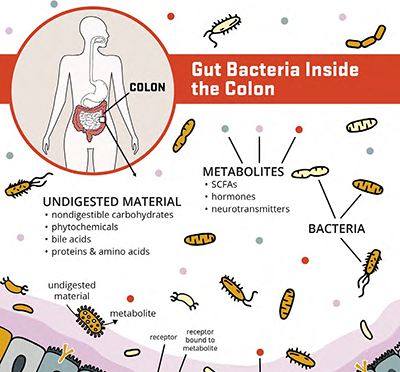
It is no secret that a diet high in saturated fat and processed food and low in fruit and vegetables is not doing the body any favors. Not only is such a diet low in many vitamins and minerals, but it can also lead to a host of problems with your gut microbiome and can promote intestinal dysbiosis
Dr. Maret Traber highlights antioxidant depletion as one of the symptoms of the dysbiosis seen in metabolic syndrome. Specifically, Traber and her colleagues, Drs. Garry Buettner and Richard Bruno, have been focusing on how vitamin C and vitamin E are affected by this condition.
In a review published n the journal Redox Biology, they suggest that changes in the gut microbiome and increases in inflammation seen with metabolic syndrome can easily result in vitamin C depletion, and this can lead to vitamin E depletion.
Antioxidants like vitamins C and E are the first line of defense against oxidative stress brought on by free radicals — unstable molecules that can damage cells. Vitamin E is particularly good at stopping the oxidation of fats, especially those that reside in the membrane of cells.
A limitation to this protection is that once vitamin E is oxidized, it can no longer participate in antioxidant defense. Since vitamin C can regenerate the antioxidant capacity of vitamin E, it is only natural to think about the combining the two antioxidants.
“Vitamin C normally helps support vitamin E activity,” Traber explains. “On the other hand, if you do not have enough vitamin C, vitamin E can be destroyed. This is the start of a process that leads to the loss of both antioxidants.”
One particularly insidious source of free radicals in the body is our own immune system. Activated immune cells create a host of free radicals to fight off invaders. Although helpful to stop infections, problems arise when the immune system goes out of control.
Also, immune cells go on high alert when pieces of bacterial cell walls enter into the bloodstream. This response is a hallmark of metabolic syndrome, as well as other diseases that involve both an imbalance in the gut microbiome and a loss of integrity of the intestinal wall.
“Essentially, white blood cells are scrubbing our bodies with bleach because fragments of bacteria cells are fooling them. They are responding as if there was an ongoing bacterial invasion when none exists,” Traber said. “Now, instead of destroying bacteria, this bleach destroys vitamin C, eroding the body’s own protective mechanisms.”
The overactive immune system causes inflammation that paves the road for the production of more free radicals. Without an intervention, this process keeps repeating.
Is vitamin E a solution to the problem? Only in part. If you could increase the amount of vitamin E in the body, it would be better equipped to fight off lipid peroxidation.
“We have performed studies measuring vitamin E in people with metabolic syndrome, and they showed some interesting results,” Dr. Traber explains. “In short, we found when we gave vitamin E to people who were healthy and to those with metabolic syndrome, the healthy people had higher vitamin E in the bloodstream. We think this is because of low vitamin C status in people with metabolic syndrome.”
Without vitamin C, adding more vitamin E becomes very inefficient. Restoring vitamin C levels should be the priority. The benefits of maintaining a high vitamin C status are multifold. Besides being a versatile antioxidant, vitamin C can lower inflammation and support ‘leaky’ cells in the gut. It may even alter growth of certain gut bacteria.
Traber and her colleagues believe there is sufficient evidence that the government’s recommended intake levels for vitamin C (75-90 mg for women and men, respectively) might not be enough. She supports the Linus Pauling Institute recommendation that every adult should consume 400 mg of vitamin C every day.
Yet, adding more vitamin C is not a miracle cure. Traber and her colleagues have found that when people with metabolic syndrome consume vitamin C, their plasma concentrations of the vitamin remain low. Something is happening to the vitamin, and Traber thinks that is because the dysbiosis and rampant inflammation is not being properly addressed.
The ideal intervention for metabolic syndrome encompasses a complete overhaul of dietary habits.
“Ultimately, what these findings really say is: Eat your fruit and vegetables,” Traber said “Five to ten servings a day will get you the fiber and antioxidants you need to restore beneficial bacteria, protect your gut, and ultimately increase vitamin C and vitamin E status in the body.”
References
Traber et al. Redox Biology 21 (2019) doi: 10.1016/j.redox.2018.101091
Traber et al. American Journal of Clinical Nutrition 105 (2017) doi: 10.3945/ajcn.116.138495